
Skincare
Dermaplaning vs Microdermabrasion: Which Facial Do You Need?
By Bridgette Goulet, licensed aesthetician and makeup artist
Published July 20, 2026 | Last reviewed October 1, 2026
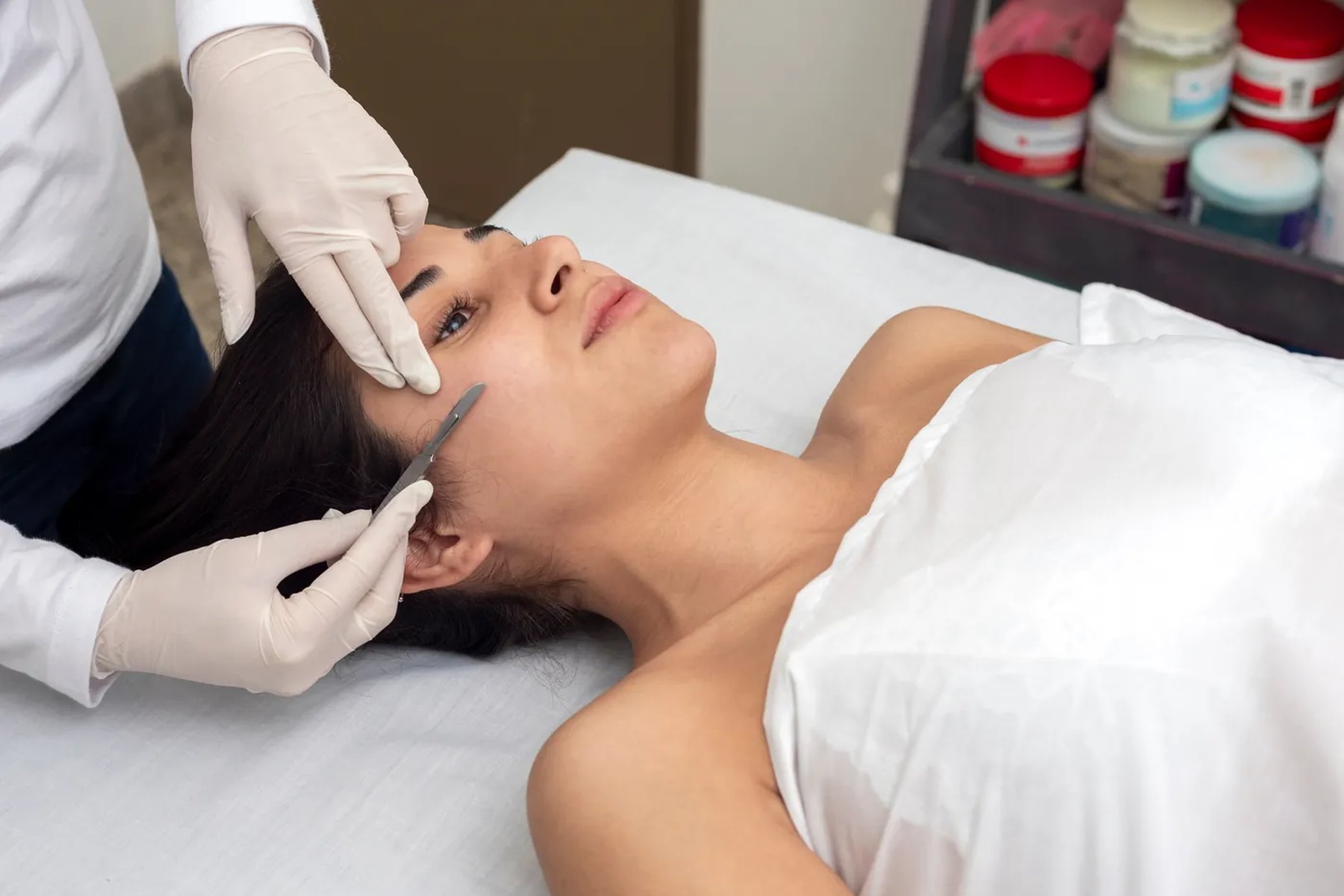
What is the difference between dermaplaning and microdermabrasion?
Dermaplaning uses a sterile blade to remove peach fuzz and dead surface skin, so makeup sits smoothly. Microdermabrasion resurfaces deeper and suits rough texture, clogged pores and dullness. Dermaplaning is the gentler choice before an event. Both are $120 among my facials in Lewiston.
Dermaplaning removes peach fuzz and the top layer of dead skin with a sterile blade. Microdermabrasion resurfaces the skin with controlled abrasion and suction and reaches a bit deeper.
Pick dermaplaning for smooth makeup application and instant softness. Pick microdermabrasion for texture, dullness, and congestion that has built up over time.
How dermaplaning works
A sterile surgical blade is held at an angle and drawn across the skin in short strokes. It shaves off the vellus hair, the fine peach fuzz on the cheeks and jaw, along with dead surface cells.
There is no heat, no chemical, and no discomfort. Most people describe it as a light scraping sensation.
The result is immediate. Skin feels genuinely smooth to the touch, foundation stops catching on fuzz, and serums absorb better because there is no dead layer in the way.
It takes about 30 to 45 minutes on its own and is often added to another facial.
How microdermabrasion works
A handpiece with a diamond tip or fine crystals passes over the skin while gentle suction lifts away loosened cells.
That combination does two things dermaplaning does not. It reaches slightly deeper into the surface layer, and the suction helps clear congestion out of pores.
It suits rough or uneven texture, blackheads, dull skin, and the shallow post-breakout marks that never quite fade. Skin looks brighter and reflects light better for a couple of weeks.
You may see mild pinkness for a few hours, occasionally a day.
Which one suits your skin
- Dry, flaky, dull skin plus noticeable peach fuzz: dermaplaning.
- Makeup looks patchy or clings to fuzz: dermaplaning.
- Rough texture, enlarged pores, blackheads: microdermabrasion.
- Uneven tone and post-breakout marks: microdermabrasion, in a series.
- Very sensitive or reactive skin: dermaplaning, and only if you are not in an active flare.
- Active cystic acne, an open breakout, or a cold sore: neither right now. Book a breakout-focused treatment instead.
Downtime and how often to book
Dermaplaning has essentially no downtime. You can wear makeup the same day, though skin looks better without it.
Microdermabrasion has minimal downtime, with possible pinkness for a few hours. Skip actives, retinol, and acids for two to three days after.
Both work on a four to six week rhythm, which lines up with the skin's natural renewal cycle. More often than that is not better, and over-exfoliated skin gets tight, shiny, and reactive.
For a wedding or a photo shoot, book either one seven to ten days out, never the day before.
The peach fuzz myth
Dermaplaning does not make hair grow back thicker or darker. Vellus hair grows back exactly as it was, because shaving cuts the shaft and does not touch the follicle.
It can feel slightly blunt for a few days as it regrows, which is where the myth comes from.
Winter skin in Maine
Between the dry indoor heat and the cold, most people in Lewiston and Auburn carry a layer of dead, flaky skin from December through March.
Dermaplaning clears that layer so your moisturizer actually reaches living skin. Pair it with a hydrating treatment and the difference in how your skin holds moisture is obvious for weeks.
In summer, either treatment leaves skin more sun-sensitive. Wear sunscreen daily, and mean it.
Can you do both?
Not in the same appointment. Together they over-exfoliate and leave skin raw.
Alternating them across the year works well for many people. I will look at your skin and tell you which one it needs right now, and current pricing for both is on the services page.
Serving Lewiston, Auburn and the surrounding towns
Facials are booked in Lewiston and draw clients from Auburn, Lisbon, Sabattus, Mechanic Falls, Minot, and New Gloucester.
Call (207) 222-7578 or contact me.
What should I read next?
If you are still planning, read about the best facial for your skin type and how often to get a facial. Every studio price is on my service menu, and you can book online when you are ready.
Questions, answered
Does dermaplaning hurt?
No. There is no heat and no chemical, just a light scraping feeling as the blade passes over the skin.
Will my peach fuzz grow back thicker after dermaplaning?
No. The hair regrows exactly as it was because the follicle is untouched. It can feel slightly blunt for a few days.
How often should I get microdermabrasion?
Every four to six weeks. For stubborn texture or marks, a series of four to six treatments spaced that far apart works best.
Which one is better before a wedding?
Dermaplaning, booked seven to ten days out, because makeup sits beautifully afterward and there is no risk of lingering redness.
Can I get either treatment with active acne?
Not over active or inflamed breakouts. Both can spread bacteria and irritate the area. A breakout-focused facial is the right service first.
Studio pages
More in skin, lashes and brows
- Brow Lamination Before a Wedding: What It Does, When to Book It, and What to Skip
Brow lamination is $65 at my Lewiston, Maine studio. Here is what it does for wedding photos, how far ahead to book it, and what I would skip before a wedding.
- Lash Extensions Before Your Wedding: Classic, Hybrid or Volume, and When to Book the Full Set
Classic, hybrid, volume or a lash lift, and exactly when to book each one before a wedding, with prices from the studio menu.
- When Should You Start Facials Before Your Wedding?
I like to start about six months before the wedding. That gives your skin several visits, spaced 4 to 6 weeks apart, and lets the last corrective facial land 4 to 6 weeks before the date. The final days are for something gentle only. My facials in Lewiston run from $60 to $150.