
Skincare
Which Facial Is Right for Your Skin Type?
By Bridgette Goulet, licensed aesthetician and makeup artist
Published July 12, 2026 | Last reviewed October 1, 2026
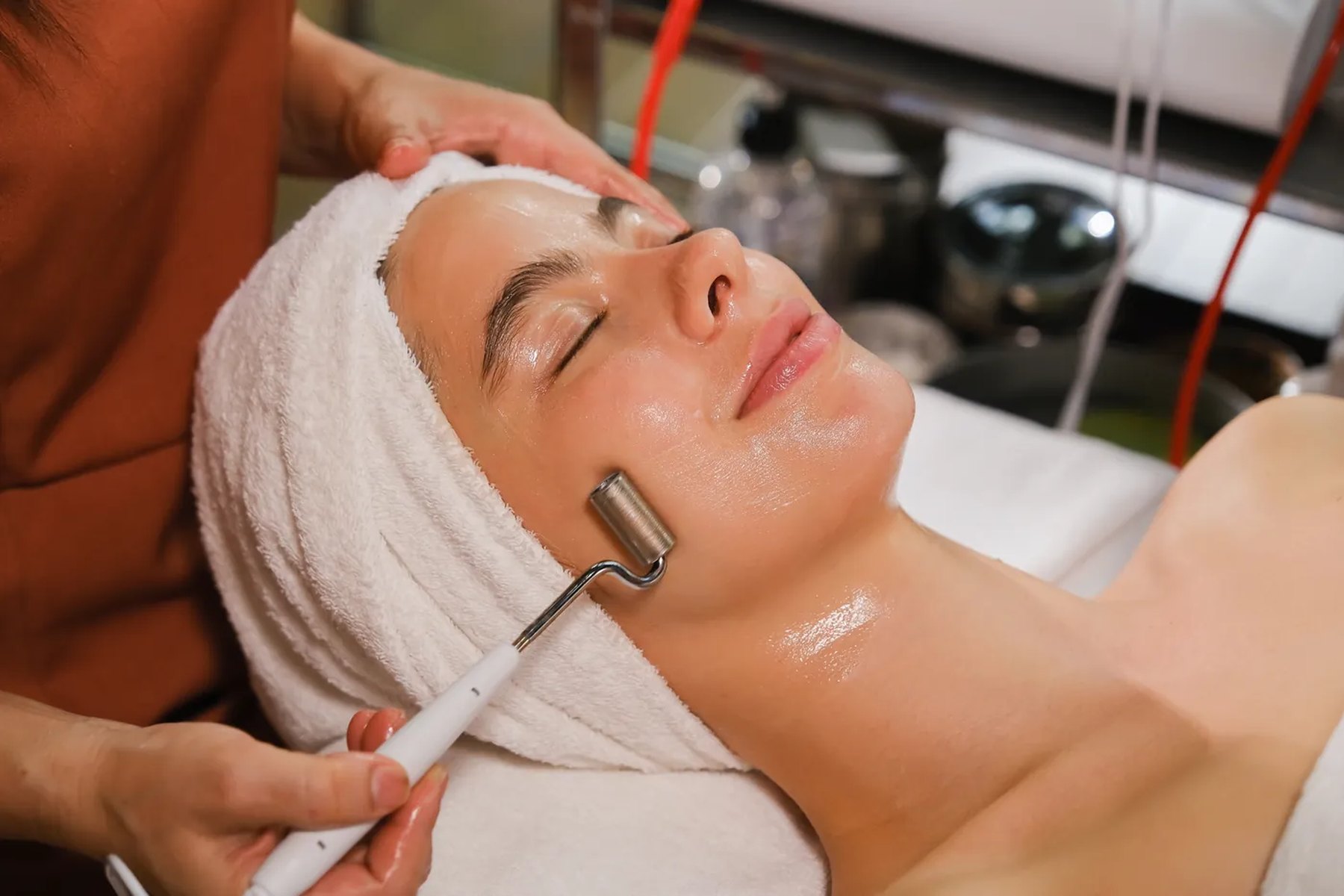
Which facial should I get for my skin type?
I match the facial to what your skin is doing, not to a label. For a first visit or sensitive skin, I start with The Basic Facial. Breakout Rescue suits congested skin, and Hyper Glow suits uneven tone. My facials in Lewiston run from $60 to $150.
At a first visit in my studio inside Tucci & Co Salon, I look at your skin before I look at the menu. The same face can need different things in July and February, so the answer can change with the season.
Clients have left me 60 five star reviews across Google, The Knot, WeddingWire and Facebook, and Google sits at 5.0 from 33 of them. You can read them on Google before your first visit.
Which facial is best for oily and breakout prone skin?
Breakout Rescue. It uses galvanic desincrustation to soften and clear congested pores, and blue light therapy to calm active breakouts and regulate excess oil. It is built for reactive, acne prone skin.
What oily skin does not need is aggressive scrubbing. Stripping oily skin tends to make it produce more oil, and that is an easy loop to get stuck in. If the breakouts are on your back, the Back Treatment does the same kind of work on skin you cannot easily reach. It is worth planning before a summer of open backs or a strapless dress.
I also look at what you use at home. A harsh cleanser or a gritty scrub often explains as much as the skin itself, and changing it can matter as much as the facial.
Which facial is best for dry or dull skin?
Dry skin lacks oil, and dehydrated skin lacks water. A Maine winter often brings both, with tightness after washing, makeup that flakes on the nose and chin, and fine lines that look worse in the morning.
For skin that needs a thorough, customized clean and moisture, The Basic Facial. It is a cleanse, exfoliate and nourish ritual suited to your skin on the day, and it is the one I recommend for a first visit.
If your skin looks tired and you are short on time, the Express Facial is 30 focused minutes to cleanse, exfoliate and brighten. If the dullness is really uneven tone, dark spots or sun damage, the Hyper Glow Facial is the better match, because it targets hyperpigmentation and melasma with enzyme exfoliation and galvanic technology.
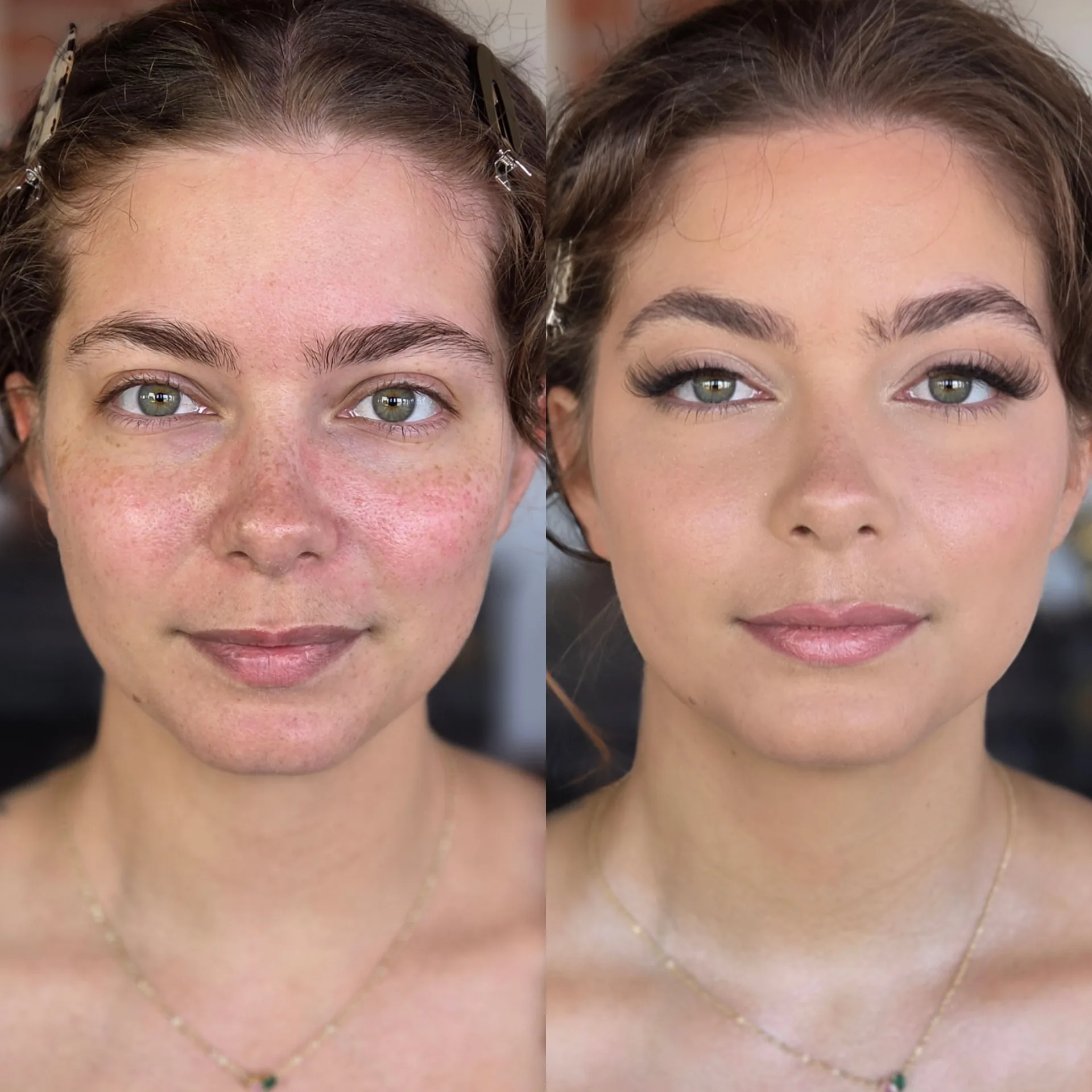
Which facial helps with texture and fine lines?
The Microdermabrasion Facial suits dull, rough texture. It is a deeper mechanical resurfacing that refines texture, softens the look of fine lines and encourages fresh cell turnover. Deeper resurfacing can leave skin warm or pink at first, so before an event it belongs 4 to 6 weeks out.
The Dermaplaning Facial is gentler manual resurfacing. It removes dead surface skin and vellus hair, so makeup sits smoother and products absorb better. If skin looks tired and less defined, the Sculpt and Smooth Face Lift uses microcurrent with restorative peptides, with no downtime. My comparison of dermaplaning and microdermabrasion helps if you are choosing between the two.
No treatment replaces daily sunscreen. Treatments improve what is there, and sunscreen is what keeps it.
What facial suits sensitive skin?
If your skin flushes easily or stings with new products, the goal is calm, not correction. The Basic Facial, adjusted on the day, usually does more for reactive skin over time than a strong treatment.
Tell me everything that has ever irritated your skin, plus any allergies, medications, pregnancy or skin conditions. That conversation is the treatment plan. I would rather start gently and build up over a few visits than overwhelm your skin on the first one. If you use retinoids, acids or strong exfoliants, mention them when you book, because I may ask you to pause them for a few days beforehand.
How often should you get a facial?
I recommend rebooking every 4 to 6 weeks, which follows the skin's natural renewal cycle. Each treatment gets time to do its work before the next one. More often is not automatically better, especially with resurfacing.
Start with one facial, and I will suggest the pace after I have seen how your skin responds. At the end of each visit I talk you through home care: which products to keep, what to pause and whether a different facial might suit you next time. Before an event, plan corrective facials 4 to 6 weeks ahead and keep the days right before for something gentle. If you are getting married, follow my facial timeline before a wedding.
How does a Maine winter change the right facial?
Dry indoor heat, wood stoves and cold wind pull water out of skin all season. Skin that is oily in July can turn tight and flaky by February, especially when the summer products stay in use.
So I lean toward hydration through the colder months, even for oily skin, and toward resurfacing in spring. After any facial, keep things simple for a day or two, with a gentle cleanser, moisturizer and daily sunscreen. My full beauty menu and pricing lists every studio service.
If you are not sure which facial fits, book a Basic Facial online and I will tell you what your skin needs next. Studio appointments run Monday to Friday, 9 to 5.
Questions, answered
How much is a facial?
My facials run from $60 for a 30 minute Express Facial to $150 for corrective treatments. The Basic Facial is $100.
Which facial is best for acne?
Breakout Rescue. Galvanic deep pore clearing and blue light therapy calm active breakouts, and it is $150 for an hour.
Which facial should I book first?
The Basic Facial. It is customizable, built for a first visit, and it shows me what your skin needs next.
Can I get a facial before an event?
Yes. Book corrective facials 4 to 6 weeks out, and an Express Facial in the days before for glow, since deeper resurfacing can leave skin warm or pink at first.
Does dermaplaning make facial hair grow back thicker?
No. Dermaplaning removes fine vellus hair at the surface without changing the follicle, so it grows back the same as before.
What should I bring to my first facial?
Bring the names or photos of the products you use. It helps me avoid repeating steps that already irritate your skin.
Studio pages
More in skin, lashes and brows
- Brow Lamination Before a Wedding: What It Does, When to Book It, and What to Skip
Brow lamination is $65 at my Lewiston, Maine studio. Here is what it does for wedding photos, how far ahead to book it, and what I would skip before a wedding.
- Lash Extensions Before Your Wedding: Classic, Hybrid or Volume, and When to Book the Full Set
Classic, hybrid, volume or a lash lift, and exactly when to book each one before a wedding, with prices from the studio menu.
- When Should You Start Facials Before Your Wedding?
I like to start about six months before the wedding. That gives your skin several visits, spaced 4 to 6 weeks apart, and lets the last corrective facial land 4 to 6 weeks before the date. The final days are for something gentle only. My facials in Lewiston run from $60 to $150.